

The Best Robot Vacuum Cleaner For Your Home
This robot vacuum and mop is a step above our budget choice. It comes with self-emptying bins that are big and a range of premium features. Its intelligent mapping and real-time hazard avoidance are particularly impressive.
It is able to clean hardwood floors and maneuver around obstacles in the household. It's also able to handle carpeting with a low pile. However, it doesn't have the coveted no-go zones and does not have other popular features.
Features
The top robot vacuums are equipped with a range of features that will enhance your home. They include an extended battery life, high suction power, and a huge dust bin. They also come with side brushes to scoop dirt from corners and edges. They are perfect for homes that have lots of dirt and pet hair. They can also clean your baseboards and other hard-to-reach areas that are often ignored by conventional vacuums. Many vacuums come with a schedule feature that lets you set them up to clean certain times of the day.
Some of the most highly-rated robot vacuums come with smart mapping technology that can create an outline of your home. best robot vacuum cleaner lets them to plan their cleaning route and saves time and energy. This can help them avoid obstacles like furniture and stairs. Certain models are able to detect and navigate around hazards like tangled shoelaces and charging cords. Some models can even detect objects such as toys and pet poop. This is useful for those who suffer from allergies.
Other features that are useful include the ability to change cleaning modes (mopping or vacuuming, both) and no-go zones, and zoned cleaning. Some of them are controlled by voice commands when used in conjunction with Alexa or Google Home. Some models have self-emptying features that let them return to their dock once the onboard dust bin is full and empty the contents into a larger bin inside the base, which will reduce the amount of dust released into the air.
Although these robots are useful, they should not be considered a substitute for a regular vacuum. They don't have the power to remove dirt that is embedded in carpets or rugs, and they may still leave lots of dust around thresholds and baseboards. They can also be caught in cords, toys and socks, and they do not always provide the same level of obstruction-avoidance that regular vacuums do.
Performance
Robot vacuums might not be capable of replacing manual vacuum cleaners, however they can still be a great option for hard floors and low-pile. They are excellent at removing fine dust dirt, dirt, and more heavy debris such as screws made of metal, nuts, orzo, and oatmeal. They also do a great job with fluffy things like pet hair. They also offer a number of automated features that help you keep your home tidy and tidy without the need for much effort from you.
If you are looking for the top robot vacuum, choose one that has a large dustbin and a long runtime. Certain models will also stop their cleaning sessions, recharge it, and then resume where they left off. It's not necessary to be present. Find models that connect to your smart devices, like Amazon Alexa or Google Assistant to allow you to schedule or initiate cleaning sessions by using the sound of your voice.
Despite its budget price, the Ecovacs Deebot T20 was among the most efficient robots in our tests, winning both the mopping and vacuuming portions of our test. Its suction capacity of 2,500Pa is enough for the majority of homes, and it is able to pick-up loose dirt in tight corners and places that other robots have difficulty reaching. It has a mopping function which uses rotating pads instead of a rag for cleaning the floor. This mode is more effective than other mopping options. It only mops when the room is well lit. Since it uses optical sensors to navigate, dark floors will confuse it by absorbing infrared radiation which triggers the sensors that detect cliffs and cause the bot to stop.
The size of a room is another aspect to consider. The majority of robots available are big circular machines that are adept at navigating between chair legs and under sofas however they can be difficult to maneuver around in tight spaces. The smaller SwitchBot K10 plus, our top pick, is the ideal solution for small homes. Its small footprint lidar mapping, digital keep-out zones, and smart navigation can make it fit into tight spaces where larger robots struggle.
Battery life
If you opt for a robotic vacuum that has a long battery life it will be much easier to keep your floor clean for a longer time. To prolong the life of your robot, ensure that you keep it free of hairs that are tangled and other debris that may hinder its wheels and sensors, clean the rotating brushes regularly and empty and rinse the dust bin after every cleaning session, and wipe the sensors and cameras periodically. Update the firmware on your robot to incorporate new optimizations that reduce stress on batteries and improve performance.
Apart from cleaning your home, a robot vacuum cleaner can help you save time and effort by automating the chore of sweeping and mopping your floors. They can be programmed to operate at times that fit your schedule, and can be set up to stop and recharge between cleaning sessions. Some models can even sync with digital voice assistants such as Amazon Alexa and Google Assistant for hands-free control.
Robotic vacuums typically have batteries that last from two to three years, and their lifespan can vary based on how they are used. To prolong their lifespan you should utilize the robot vacuum to clean a small portion of your home each day. It is also possible to schedule it to clean the high-traffic areas each day, and the rest of the home on a regular basis to save the battery.
Ruth has been a homes editor for TechRadar since 2003. She has written reviews of consumer technology. She's spent the past seven months focusing on robot vacs and mop systems. Eufy X10 Pro Omni is her current favorite robot vacuum-mop system. It aced our cleaning tests and boasts several smart navigation features that other robots struggle with.
Its intelligent mapping was so good that it was able to avoid the fake poop we tried to test. It can be programmed to stop and recharge at specific locations, which is perfect for a quick spot clean or when you're away from home. It's also the smallest robot vacuum on the market. This makes it much easier to fit into tight spaces or corners that larger robots are unable to reach.
Cost
A robot vacuum cleaner can be a good secondary cleaning tool, but it's no replacement for a plug-in cleaner that is full-sized. Even the best robot vacs struggle to remove dirt embedded deep within carpets and rugs, and often miss dust close to thresholds and baseboards. While obstacle-avoidance techniques have improved over the years it is still necessary to clear your floor of toys, cords and other junk before you begin the robot.
When selecting a robot vacuum cleaner, consider how large your home is and what types of floors you have. If you have both hardwood and carpeted floors in your home, you should choose one that comes with an automatic transition feature. This allows the vacuum to change modes based on the type of flooring. Also, make sure to check the vacuum's power of suction. The majority of manufacturers offer an metric known as Pascal (Pa) to measure suction power, but be aware that there isn't a universal standard for how Pa levels are reported.
Many robot vacuum cleaners have mopping capabilities. They'll typically detect the difference between hard and carpet floors, and will only mop areas on the floor that are hard, leaving the carpets to themselves. Some mops will let you mark areas that you do not want to be cleaned by the mops.
Another important thing to consider when deciding which robot vacuum cleaner is best for you is the maintenance requirements. Be sure to clean the rotating brushes and empty (and rinse, if possible) the dust bin. You'll need to wipe the sensors and cameras down regularly to ensure they function properly.
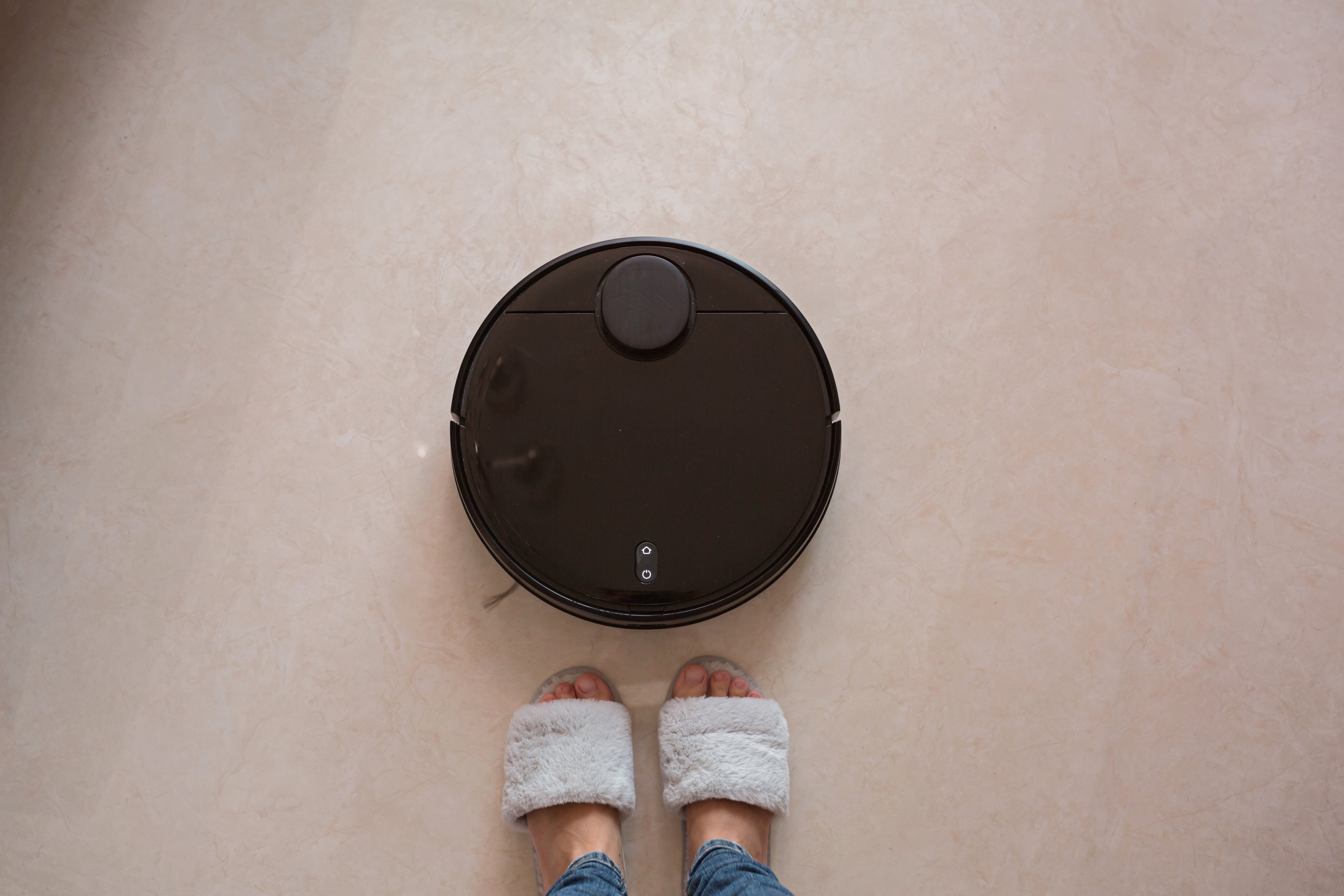
Robot vacuum cleaners are available in a wide price range, from less than $100 to over $1,200. The price you pay for a robot vacuum cleaner will depend on the type of features you're looking for as well as the size of your house. Those with advanced features, such as a self-emptying dock, will cost more than basic models. However there are a variety of options in the middle of the market that provide a great combination of performance and features. If you're looking for an affordable option, TechRadar recommends the Roborock Q Revo. It's an excellent budget pick that acquitted itself well in our cleaning tests and offers a high-debris-capacity, self-emptying dock.